Sustainable Fashion: Your 2026 Wardrobe Essentials

Sustainable Fashion is moving further into regulation and supply-chain accountability in 2026. California now requires covered apparel and textile producers to join an approved stewardship organisation under its Responsible Textile Recovery Act, with participation required from July 1, 2026.
Industry standards are also tightening. Textile Exchange released an updated supply-chain taxonomy in July 2026 and new assurance policies in August, aiming to improve consistency around materials, emissions, certification, and sustainability claims.
Readers should monitor textile recycling rules, producer-responsibility programmes, sustainability-claim requirements, and the transition to the Materials Matter Standard, which becomes effective on December 31, 2026.
The Imperative of Sustainable Fashion in 2026
As 2026 approaches, the fashion industry faces unprecedented pressure to adopt more sustainable practices. Consumers are increasingly aware of the environmental footprint of their clothing choices, driving demand for ethical and eco-friendly alternatives.
This shift is not merely a trend but a fundamental reorientation towards responsible consumption. The goal of reducing environmental impact by 30% with smart choices is becoming a benchmark for brands and consumers alike.
Understanding what constitutes truly sustainable fashion and identifying key pieces that align with these values is crucial for building a future-proof wardrobe. The focus is on longevity, ethical production, and minimal ecological harm.
The Rise of Eco-Conscious Textiles and Production
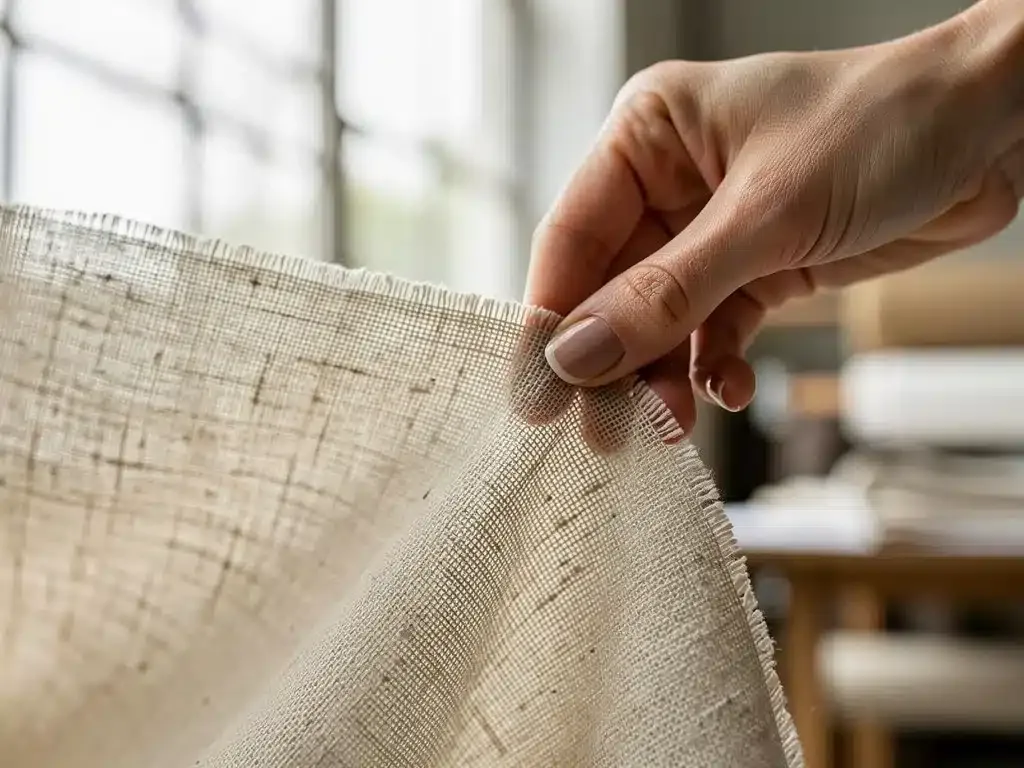
The innovation in textile technology is a cornerstone of sustainable fashion, moving away from resource-intensive materials and processes. New fabrics derived from recycled content or responsibly grown natural fibers are gaining prominence.
Production methods are also evolving, with an emphasis on reducing water usage, energy consumption, and chemical waste. Brands are investing in closed-loop systems and transparent supply chains to ensure ethical standards are met.
These advancements make it possible for consumers to make informed decisions about their purchases, supporting companies committed to environmental stewardship. The landscape of fashion is transforming, prioritizing planet over profit.
Organic Cotton Basics: A Foundation for Your Wardrobe
Organic cotton remains a top choice for sustainable fashion due to its reduced environmental impact compared to conventional cotton. It uses significantly less water and avoids harmful pesticides, protecting both ecosystems and farm workers.
Investing in high-quality organic cotton t-shirts, tank tops, and underwear forms the essential base of any eco-conscious wardrobe. These pieces are versatile, durable, and comfortable, proving that sustainable fashion doesn’t compromise on quality.
- Minimizes pesticide use and water consumption.
- Ensures better soil health and biodiversity.
- Offers comfort and durability for everyday wear.
Recycled Denim: Style with Reduced Waste
Denim production has historically been water-intensive and polluting, but recycled denim offers a compelling alternative. Brands are now creating stylish jeans from post-consumer waste, drastically cutting down on resource use.
These recycled denim pieces often maintain the same quality and aesthetic as their conventional counterparts, making them an easy switch for environmentally conscious consumers. They represent a tangible step towards reducing textile waste.
- Significantly reduces water and energy consumption.
- Diverts textile waste from landfills.
- Maintains the classic appeal and versatility of denim.
Versatility and Longevity: Key to a Sustainable Wardrobe
The concept of a capsule wardrobe, built around versatile pieces that can be mixed and matched, is inherently sustainable. It encourages mindful purchasing and reduces the need for frequent replacements, extending the life cycle of clothing.
Focusing on timeless designs and durable construction ensures that garments remain relevant and functional for years. This approach directly contributes to reducing overall consumption and waste in the fashion industry.
When considering sustainable fashion, versatility is a critical factor. Each item should offer multiple styling options across different seasons and occasions.
Linen Essentials: Breathable and Biodegradable
Linen, derived from the flax plant, is celebrated for its natural breathability, strength, and biodegradability. Its cultivation requires minimal water and pesticides, positioning it as an excellent sustainable choice for various garments.
Linen dresses, shirts, and trousers are perfect for warm weather, offering a refined yet relaxed aesthetic. Their inherent durability means they can withstand frequent wear, making them a long-term investment in a sustainable wardrobe.
- Requires minimal water and chemicals for cultivation.
- Naturally breathable and highly durable.
- Fully biodegradable at the end of its life cycle.
Tencel Lyocell Garments: Softness Meets Sustainability
Tencel Lyocell is a remarkable sustainable fiber produced from responsibly sourced wood pulp through a closed-loop process. This innovative method recovers and reuses nearly 100% of the solvents, minimizing environmental impact.
Garments made from Tencel Lyocell are known for their exceptional softness, drape, and breathability, making them ideal for everything from blouses to activewear. They offer a luxurious feel with a clear conscience.
- Eco-friendly closed-loop production process.
- Known for softness, strength, and moisture absorption.
- Versatile for various clothing types, from casual to formal.
Ethical Production and Transparency
Beyond the materials themselves, the ethical treatment of workers and transparent supply chains are integral to sustainable fashion. Consumers are increasingly demanding to know where and how their clothes are made.
Brands committed to sustainability often provide detailed information about their manufacturing processes, from farm to factory. This transparency builds trust and assures consumers that their purchases support fair labor practices.
Choosing brands that prioritize ethical production helps to combat exploitation and promotes a more equitable fashion industry. This is a crucial aspect when curating Sustainable Fashion.
Upcycled and Vintage Pieces: Extending Garment Life
Incorporating upcycled and vintage clothing into your wardrobe is one of the most direct ways to reduce environmental impact. It prevents existing garments from ending up in landfills and minimizes the demand for new production.
Upcycling transforms old clothes into new designs, adding a unique, personalized touch to your style. Vintage shopping offers timeless pieces with a story, promoting a circular economy within fashion.
- Reduces textile waste and consumption of new resources.
- Offers unique styles and a distinct personal aesthetic.
- Supports a circular fashion economy and creative reuse.
Investing in Quality Over Quantity
The fast fashion model, characterized by cheap, disposable clothing, has a devastating environmental toll. Shifting to an investment mindset, where quality takes precedence over quantity, is fundamental for sustainable fashion.
Buying fewer, but better-made, pieces means clothes last longer, reducing the frequency of purchases and the overall environmental burden. This approach aligns perfectly with building a sustainable wardrobe for 2026 and beyond.
When selecting sustainable fashion, consider the craftsmanship, material quality, and brand’s commitment to durability.
The Versatile Jumpsuit: A Sustainable Statement
A well-chosen jumpsuit made from sustainable materials like organic cotton, linen, or Tencel Lyocell can be an incredibly versatile and impactful addition to your wardrobe. It functions as a complete outfit, reducing decision fatigue and the need for multiple separates.
Its ability to transition from casual daywear to an elegant evening look with simple accessory changes exemplifies smart, sustainable styling. This single piece can replace several items, contributing significantly to a streamlined, eco-conscious closet.
- Offers a complete, stylish outfit in one piece.
- Reduces the need for numerous individual garments.
- Easily dressed up or down for various occasions.
The Role of Consumers in Driving Change
Consumer demand is a powerful force in shaping the fashion industry. By consciously choosing sustainable options, individuals send a clear message to brands about their priorities, encouraging broader adoption of eco-friendly practices.
Educating oneself about sustainable materials, ethical production, and brand transparency empowers better purchasing decisions. Each thoughtful purchase contributes to the collective goal of reducing environmental impact.
Embracing Sustainable Fashion is not just about personal style; it’s about participating in a global movement towards a more responsible and sustainable future.
The Classic White Shirt: A Sustainable Staple
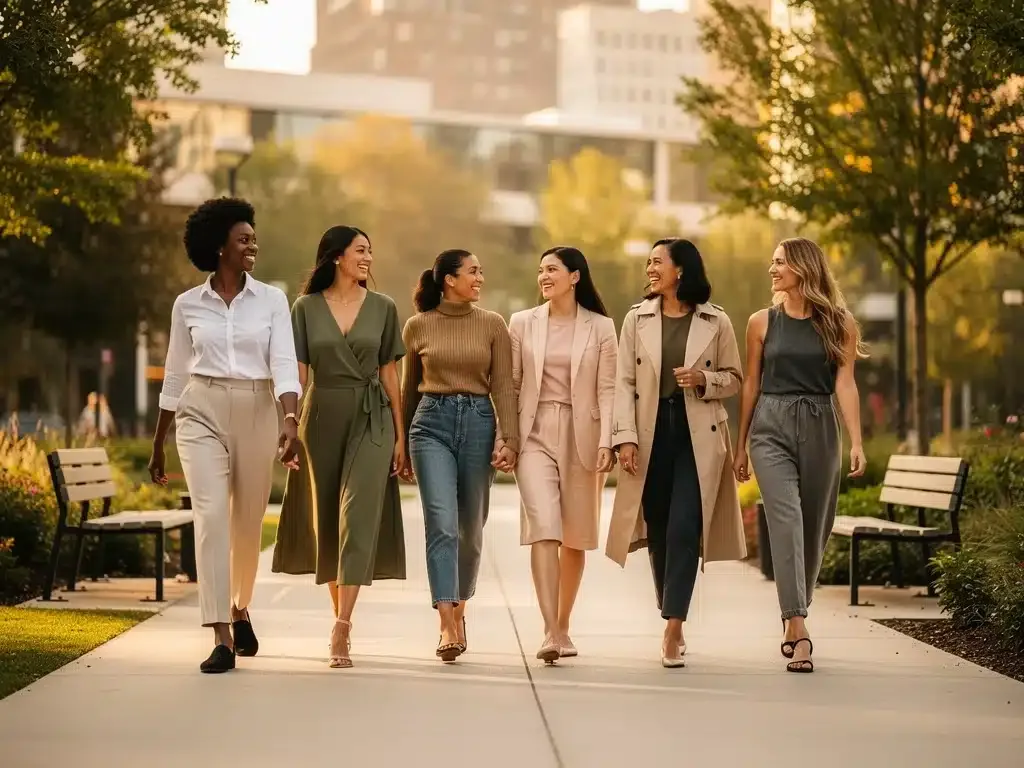
A classic white shirt, preferably made from organic cotton or linen, is an indispensable item in any sustainable wardrobe. Its timeless appeal and endless styling possibilities make it a workhorse for various outfits and occasions.
Investing in a high-quality, ethically produced white shirt means it will last for many years, reducing the need for constant replacements. This piece exemplifies the principle of buying less but buying better.
- Timeless design ensures long-term wearability.
- Extremely versatile for layering and different looks.
- Reduces consumption when chosen for quality and durability.
Looking Ahead: Innovations and Challenges
The path to a fully sustainable fashion industry is ongoing, with new innovations continually emerging. From mycelium-based leathers to advanced recycling technologies, the future holds exciting possibilities for even greater environmental reductions.
However, challenges remain, including scaling sustainable production, ensuring affordability, and combating greenwashing. Continuous vigilance and consumer advocacy will be vital in overcoming these hurdles.
Staying informed about these developments and supporting brands that genuinely commit to sustainability is crucial for anyone building Sustainable Fashion.
| Key Sustainable Piece | Environmental Benefit |
|---|---|
| Organic Cotton Basics | Reduced water and pesticide use, improved soil health. |
| Recycled Denim | Significantly lowers water consumption and textile waste. |
| Linen Essentials | Minimal water/chemical input, biodegradable, durable. |
| Tencel Lyocell Garments | Closed-loop production, eco-friendly solvents, soft. |
Frequently Asked Questions About Sustainable Fashion
What defines a sustainable fashion piece?▼A sustainable fashion piece is characterized by its minimal environmental impact throughout its lifecycle, from raw material sourcing to disposal. This includes ethical production, reduced water and energy use, use of eco-friendly materials, and durability for extended wear.
How can I ensure a brand is truly sustainable?▼Look for certifications from reputable third-party organizations, transparent supply chains, and detailed information about their manufacturing processes. Research their commitment to fair labor practices and their efforts to reduce waste and pollution. Avoid brands with vague claims.
Is sustainable fashion more expensive?▼Initially, some sustainable pieces might have a higher upfront cost due to ethical production and quality materials. However, their durability and timeless design mean fewer replacements over time, often resulting in long-term savings and reduced environmental impact compared to fast fashion.
What role does upcycling play in sustainable fashion?▼Upcycling is crucial for extending the life of garments and reducing textile waste. It transforms existing clothing into new, functional items, minimizing the demand for new resources and diverting materials from landfills. It’s a creative and impactful way to engage with sustainable fashion.
How can consumers contribute to a 30% environmental impact reduction by 2026?▼Consumers can contribute by choosing durable, versatile pieces made from sustainable materials, supporting ethical brands, and embracing practices like repairing, reusing, and recycling. Conscious purchasing decisions and advocating for transparency are key steps towards achieving this goal.
Perspectives on Sustainable Wardrobe Evolution
The journey towards Sustainable Fashion is a dynamic one, marked by continuous innovation and evolving consumer awareness. It is clear that the fashion industry is at a pivotal point, with increasing pressure to prioritize ecological responsibility.
The choices made by both brands and consumers in the coming years will significantly shape the future of apparel, making this a critical area to monitor for both style and planetary well-being.
The momentum towards greater sustainability is undeniable, suggesting a future where fashion is synonymous with environmental stewardship and ethical practices.